
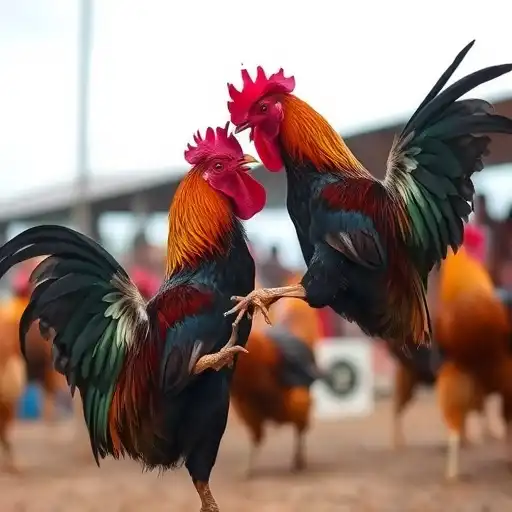

Exploring the Complex World of Rinha de Galos
Rinha de galos, or cockfighting, is a controversial yet culturally embedded activity in various parts of the world. Although it is a source of entertainment for some, it raises ethical and legal questions globally. From the underground arenas of Brazil to street corners in other countries, the 444HOT topic of rinha de galos sparks a heated discussion among communities, animal rights activists, and governments.661bet
The History and Cultural Significance
The origins of cockfighting can be traced back thousands of years. It is believed that the sport was first practiced in Southeast Asia, eventually spreading to other parts of the world. As the tradition expanded, different cultures incorporated their own interpretations and rules. In countries like the Philippines and parts of Latin America, rinha de galos became more than just a pastime; it was a cultural event that brought communities together. The arena was a place where people gathered, finding camaraderie in the excitement of the sport.
In rural areas, especially, cockfighting has been considered a part of life. Many breeders take pride in training and preparing their roosters for what they consider a noble competition. Despite the legal battles and societal criticisms, the practice persists as an element of cultural heritage. However, for animal rights activists, this "heritage" is a guise for animal cruelty, sparking ongoing debates and protests worldwide.
Legal Status and Controversies
The legality of rinha de galos varies significantly around the globe. In countries like Brazil, cockfighting is illegal yet still practiced clandestinely. The authorities frequently raid underground arenas, but the allure of the sport keeps it alive. Conversely, in some regions of the Philippines, cockfighting remains legal and is even celebrated with grand festivals and regulated tournaments.
One of the prominent controversies surrounding rinha de galos involves the ethics of animal welfare. Animal rights activists argue that the sport is inherently cruel, subjecting roosters to pain and suffering merely for human amusement. Organizations such as PETA continuously lobby for comprehensive bans and stricter enforcement of animal protection laws.
The opposition to rinha de galos is not solely from external forces; there are growing internal dissenters who believe that societal evolution should reflect more humane treatment of animals. In places where the sport is officially banned, people are often found operating in the shadows, highlighting a complex interplay between legality and cultural identity.
The Economic Implications
A lesser-discussed aspect of cockfighting is its economic impact on the regions where it flourishes. In areas where opportunities are sparse, rinha de galos provides an alternative form of income. Breeders, fight organizers, and bettors form a network that sustains many local economies. The industry encompasses everything from breeding and training birds to organizing matches, selling entry tickets, and betting on the outcomes.
For some individuals, the economic gains from rinha de galos can be substantial. Winning roosters are prized and can fetch high prices, contributing to a lucrative underground market. However, this economic dependency also poses challenges, especially when law enforcement crackdowns disrupt these earnings. Thus, the issue is not just cultural but also one of economic survival for certain communities.57win
Gamecock Breeding and Training
Breeding gamecocks for rinha de galos is a meticulous process that some consider an art form. Selective breeding aims to produce birds with specific traits, such as physical prowess, agility, and aggression. Breeders dedicate significant time and resources to perfecting their stock, often passing down the expertise through generations.
Training a gamecock involves rigorous physical routines designed to enhance their performance in the ring. These routines can include specialized diets, endurance training, and even conditioning to fight tactics. Despite the ethical concerns, breeders view their role as nurturing athletes rather than exploiting them. They argue that the roosters show instinctual behaviors that are simply channeled into competition.28G
Modern Perspectives and Debates
The future of rinha de galos lies at the crossroads of traditional practices and modern sensibilities. With global movements increasingly advocating for animal rights and ethical standards, cockfighting faces significant challenges to its persistence. New generations are questioning the moral dimensions of the sport, weighing them against cultural integrity.6655bet
Discussions around regulation versus outright bans continue to dominate the debate. Advocates for regulation propose a middle ground where humane treatment and oversight could potentially honor tradition while ensuring animal welfare. However, staunch opponents believe that regulation only legitimizes cruelty and calls for an all-out ban.
Concluding Thoughts
The topic of rinha de galos remains multifaceted and emotionally charged. As society progresses, it wrestles with maintaining cultural traditions and evolving towards more empathetic practices. The sport's endurance amidst increasing global criticism highlights the deep-rooted connection individuals and communities have with this age-old practice. Yet, the ongoing dialogue suggests that change is inevitable, even if it occurs gradually.
Rinha de galos exemplifies the broader global challenge of balancing cultural preservation with the ethical treatment of all living beings. As these conversations evolve, they reflect the broader societal shift towards a more conscious coexistence with the animal kingdom.399w.com